How does knowing how an artwork is made change what we see?
What mediums, processes, and materials reveal about our role as spectators

Studying art history changed the way I look at artworks long before it changed what I thought about them.
At first, like many people, I stood in front of artworks looking for emotion, beauty, or meaning. But learning art history meant learning to look differently. To begin not with the image, but with the medium. To ask not only what an artwork shows, but how it is made. What tools were used. What processes were involved. What material decisions made the work possible.
And once you learn to see that, you cannot unsee it.
Because an artwork does not only tell a story through its subject. It tells a story through the medium that allows it to exist.
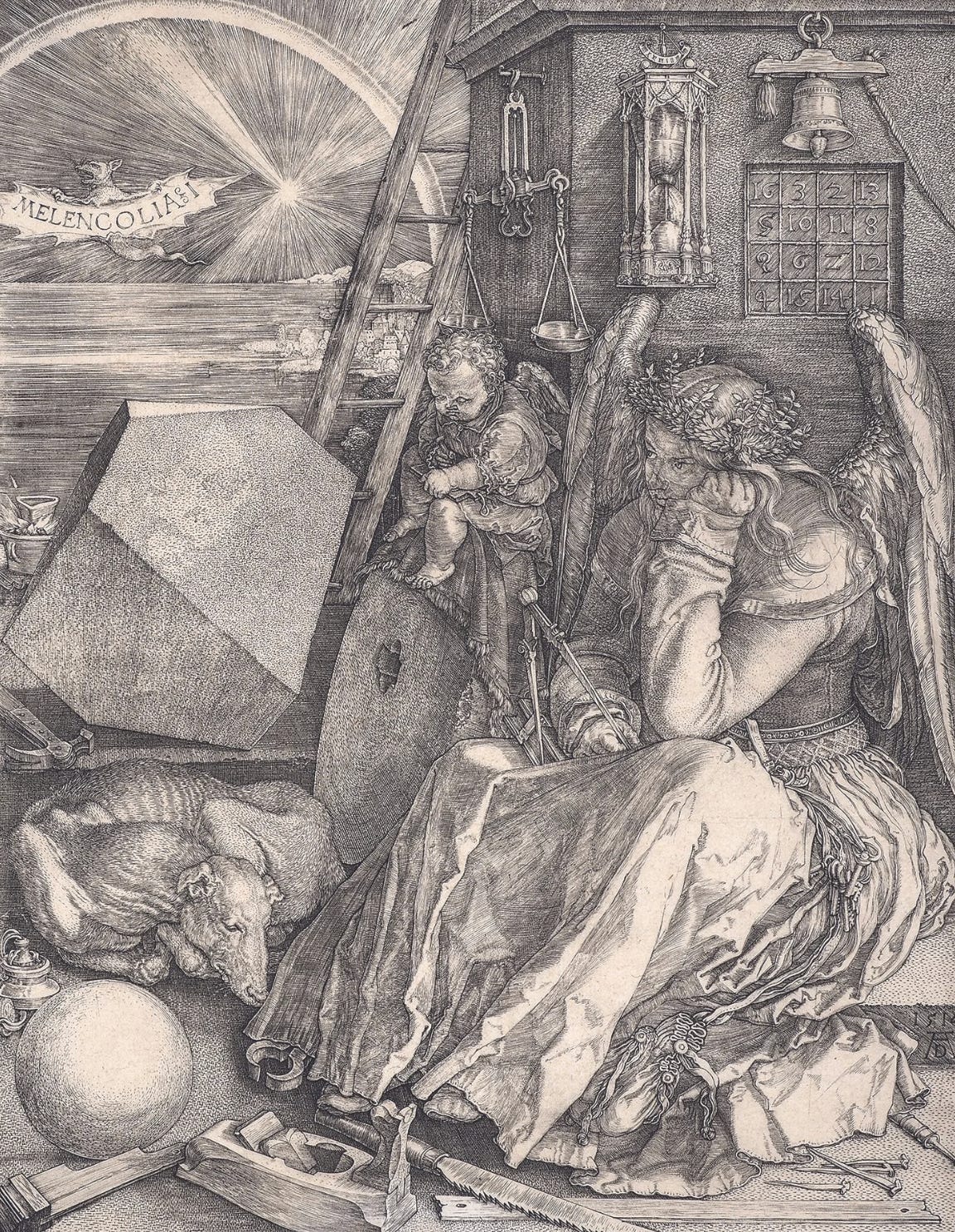
In Albrecht Dürer’s Melencolia I (1514), the engraving is inseparable from the burin that carved it. The lines are not drawn but incised into copper, each stroke irreversible. The density, precision, and gravity of the image emerge directly from the resistance of the plate. The medium does not support the meaning. It produces its atmosphere of intellectual tension and permanence.
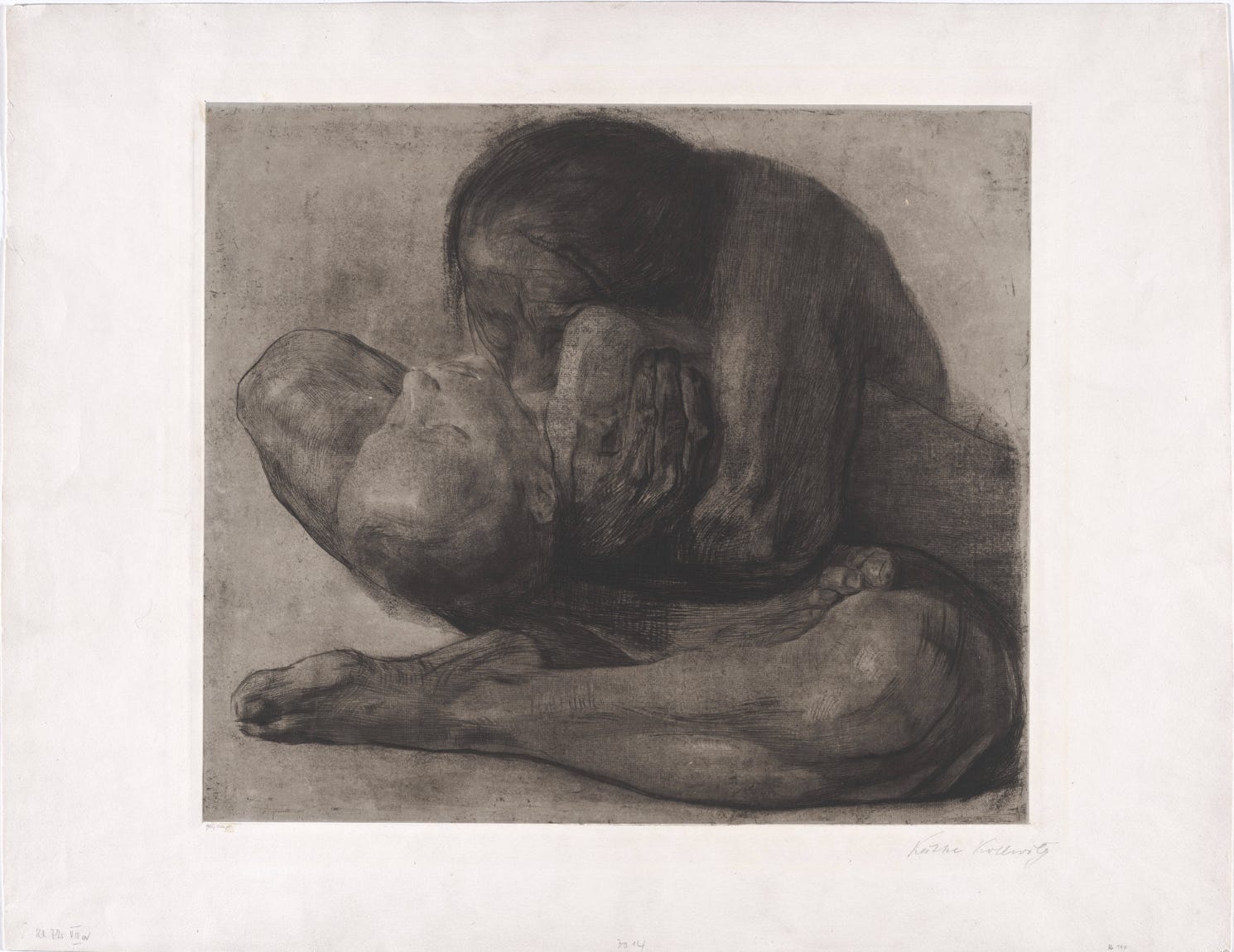
This relationship between medium and circulation shifts in Käthe Kollwitz’s Woman with Dead Child (1903), executed as an etching. Here, the reproducibility of printmaking becomes part of the work’s ethical structure. The grief depicted is not meant to remain singular. The medium ensures that mourning travels, that suffering is shared, that the image reaches beyond elite spaces.
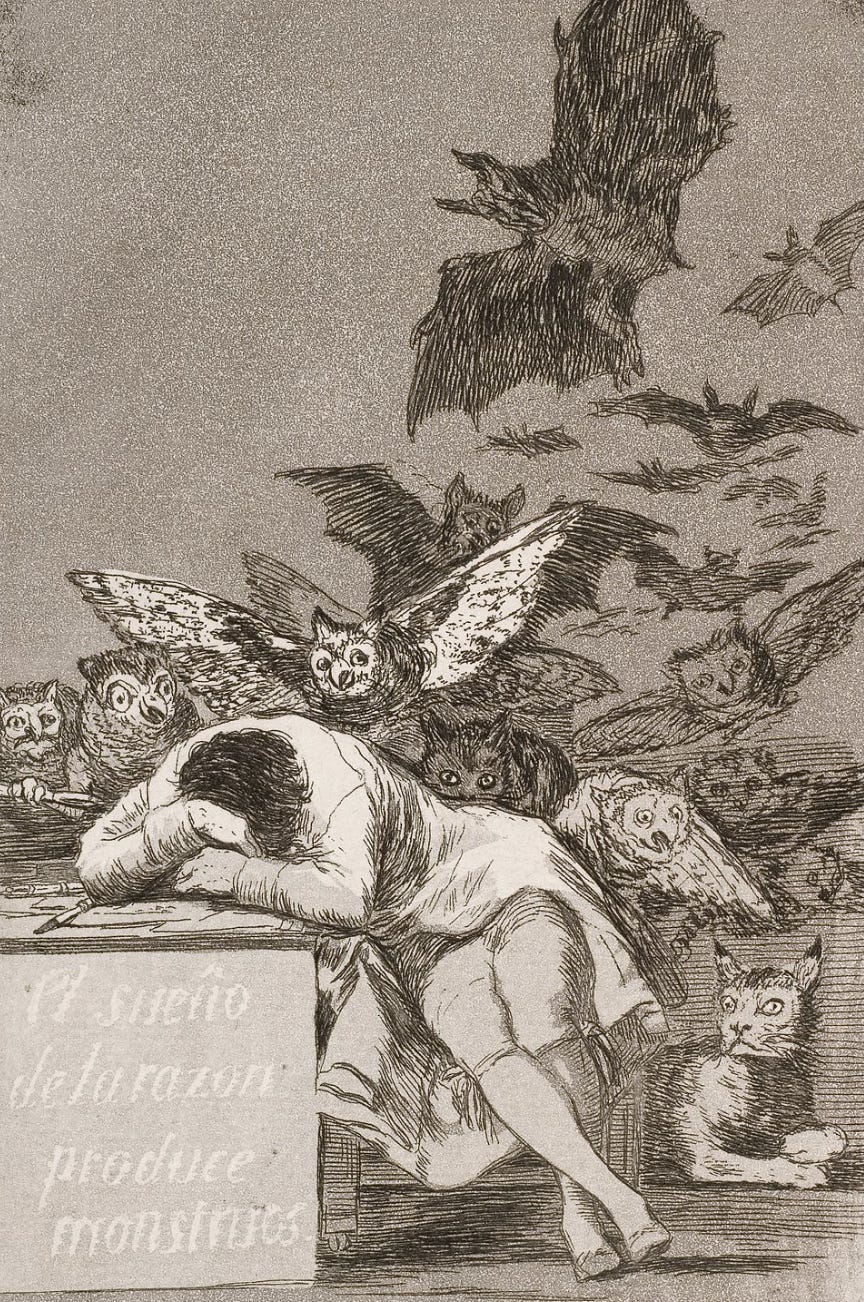
Ambiguity takes another form in Francisco Goya’s The Sleep of Reason Produces Monsters (1799) from Los Caprichos. Through aquatint, Goya produces tonal fields that blur clarity. Shadows dissolve contours. The instability of the image is materially embedded in the acid process. Darkness is not illustrated. It is chemically produced.
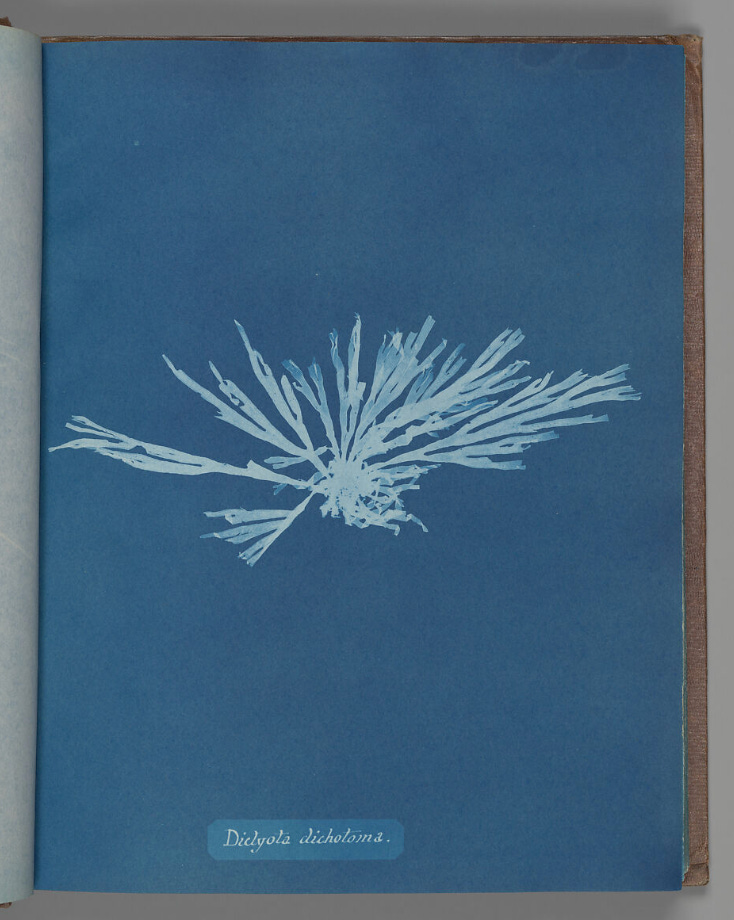
A different withdrawal of gesture appears in Anna Atkins’ Dictyota dichotoma (1843), a cyanotype from her photographic botanical studies. Plants appear through light exposure rather than drawing. The medium records rather than interprets. Scientific process replaces expressive intervention. Meaning emerges through contact between object, chemistry, and time.
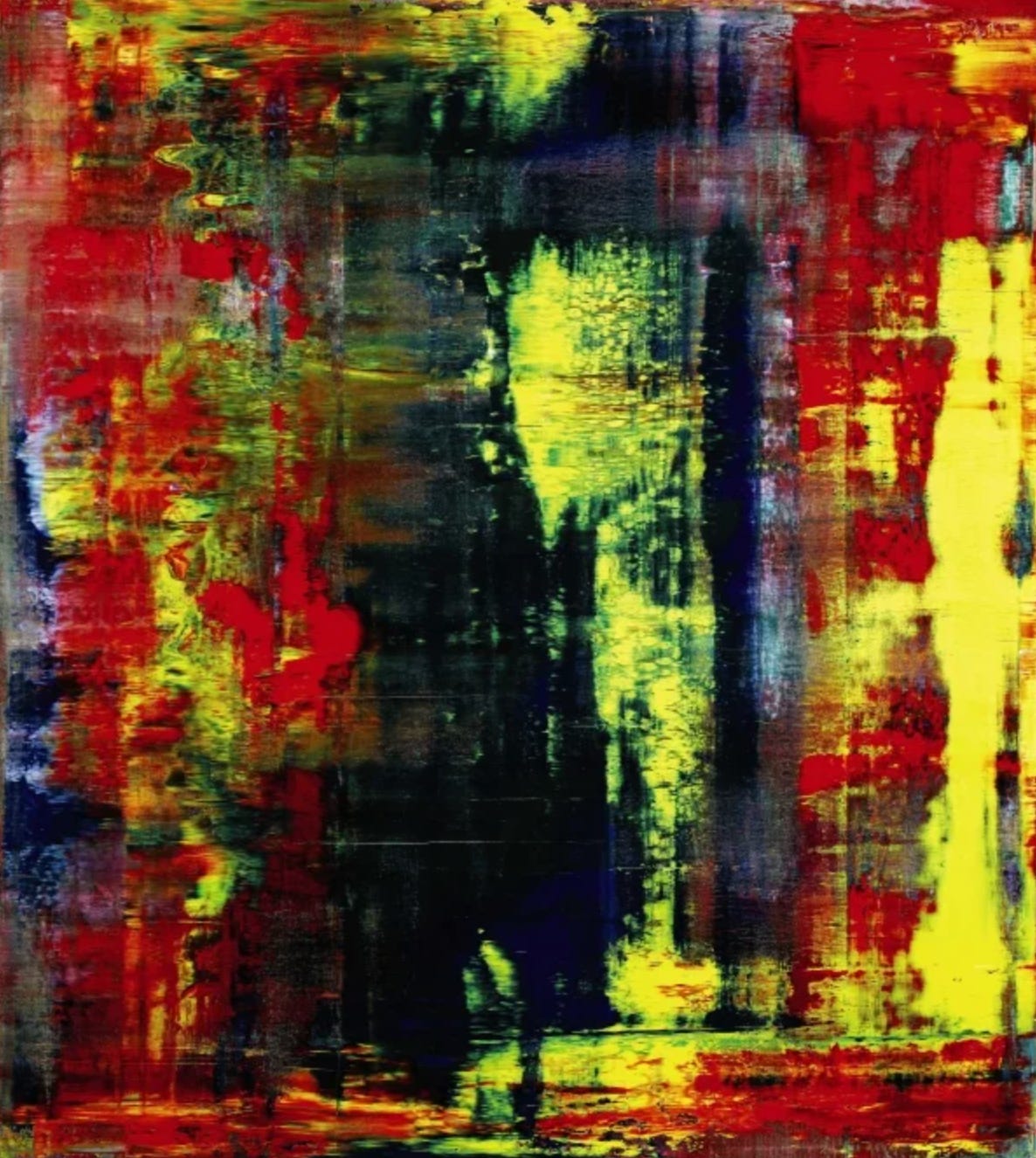
This tension between control and relinquishment re-emerges in painting with Gerhard Richter’s Abstraktes Bild (809-4) (1994). Here, Richter uses a racloir to drag paint across the canvas. The tool erases intentional brushwork, redistributes pigment, and introduces chance. The final image is less a composition than the residue of decisions negotiated through material resistance.
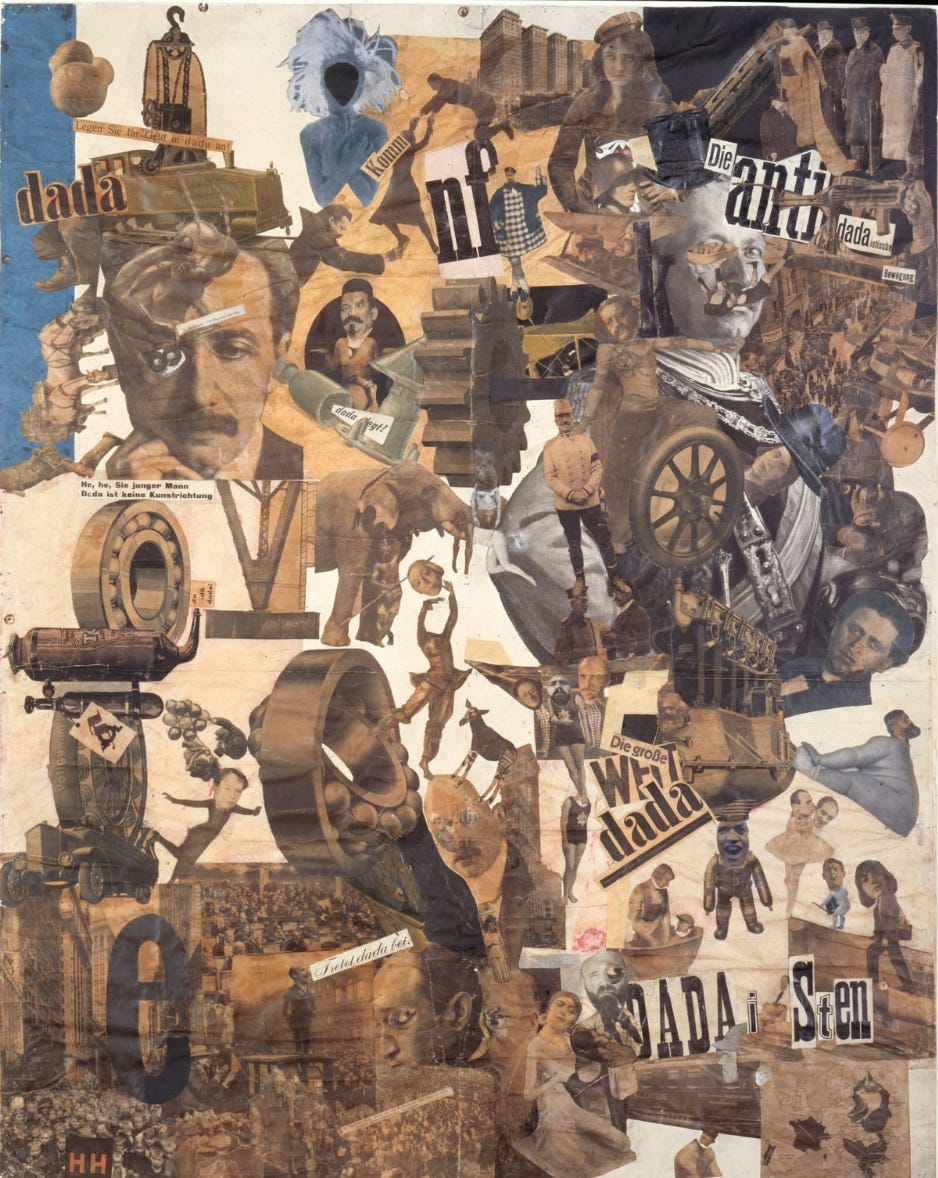
Fragmentation becomes structural in Hannah Höch’s Cut with the Kitchen Knife Dada through the Last Weimar Beer-Belly Cultural Epoch of Germany (1919). Using photomontage, Höch assembles fragments of mass media imagery. Scissors and printed photographs become tools of ideological dismantling. Meaning is not painted but constructed through displacement and recombination.
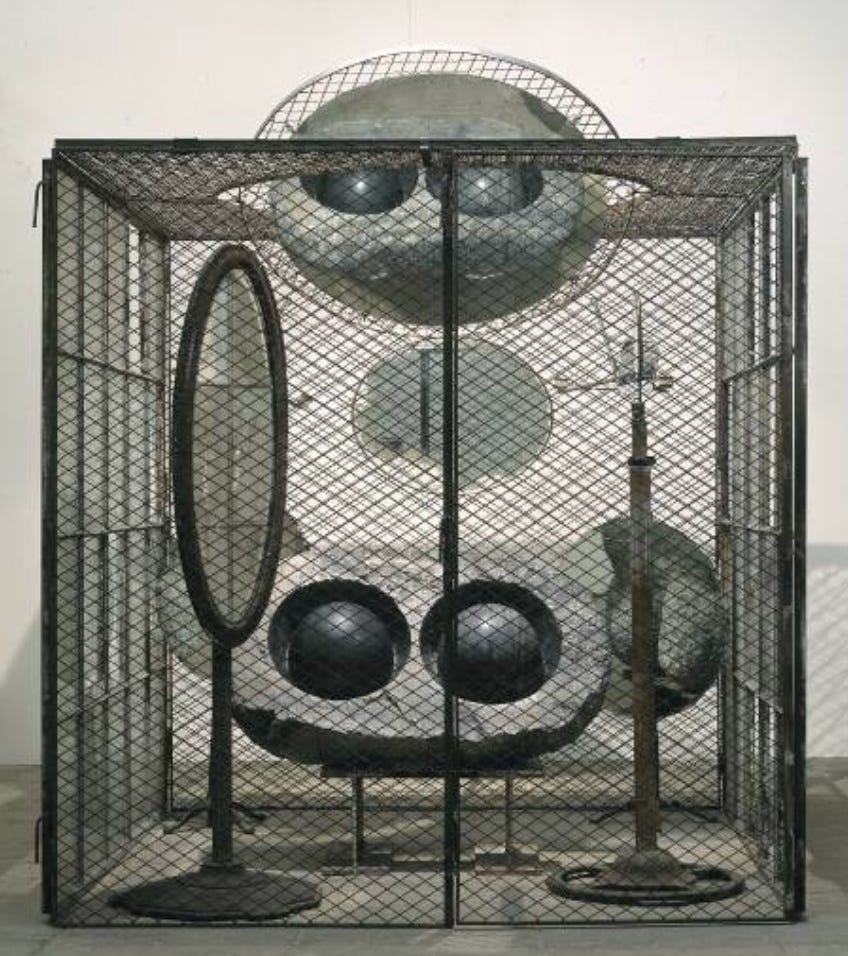
Material memory takes form in Louise Bourgeois’ Cells (Eyes and Mirrors) (1989–93), where textile, sewing, and fabric operate not as decorative elements but as structural language. Thread becomes a tool of repair and reconstruction. The medium carries histories of domestic labor, intimacy, and psychological fragmentation that the form alone cannot convey.
Across these works, one realization emerges.
The medium does not follow the idea. It generates it.
But there are moments when the relationship between medium and message becomes more unstable. When the process does not simply shape meaning, but places it under tension.
This is particularly visible in Olafur Eliasson’s Ice Watch (2014), later restaged in cities including Paris in 2015. For the installation, large blocks of glacial ice were collected from fjords in Greenland, where they had naturally calved from the ice sheet. These fragments were transported south by cargo ship, then by refrigerated truck across Europe, before being installed in public urban space.
Ice Watch was not conceived as a single-site installation. First presented in Copenhagen in 2014, the work was later restaged in multiple cities, including Paris in 2015 and London in 2018, allowing the melting ice to unfold across different urban and political contexts.


Arranged in circular formations, the ice blocks were left to melt slowly in real time. Visitors could touch them, hear them crack, witness their transformation. The work aimed to translate climate change from abstraction into sensory experience.
Here, the medium extends far beyond the visible ice.
The work exists through extraction, maritime transport, fuel consumption, refrigeration logistics, and urban installation infrastructure. Ships, trucks, cranes, and institutional coordination form the invisible architecture of the artwork.


And this is where the tension emerges. While I recognize the experiential power of Ice Watch, I can’t help but find its material process somewhat problematic.
Because in order to make the melting of ice perceptible, the artwork mobilizes the very global systems implicated in environmental transformation. The medium does not simply carry the message. It complicates it.
The question that arises is not accusatory, but structural.
Does the urgency of awareness justify the resources required to produce it?
Can an artwork denounce a phenomenon while materially participating in its mechanisms?
Where does the boundary lie between revelation and contradiction?
The work does not resolve these questions. It produces the conditions in which they must be held.
And this shifts the spectator’s position.
Looking is no longer detached. One does not stand only before form, but before process. Appreciation becomes layered. It becomes possible to recognize the force of an artwork while remaining unsettled by the way it comes into being.
This does not diminish the work. It deepens its complexity.
Because once we learn to look at art through its mediums, we realize that meaning never resides solely in representation. It extends into tools, infrastructures, gestures, and consequences.
What an artwork shows is only part of what it says.
What carries it speaks just as loudly.
And perhaps this is where our role as spectators evolves. Not into judges, but into witnesses capable of holding together image, medium, and implication without reducing one to the other.
Because once we know how an artwork is made, we no longer look at it in quite the same way.